
Baby Won't Sleep? Sleep Aids for Babies
Newborns and Melatonin
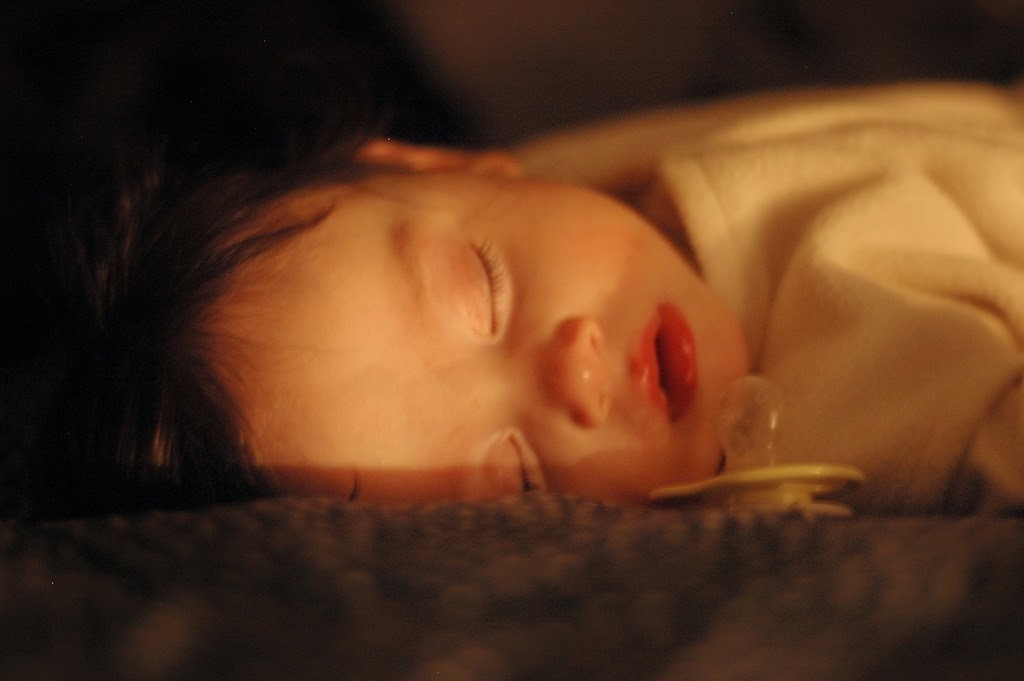
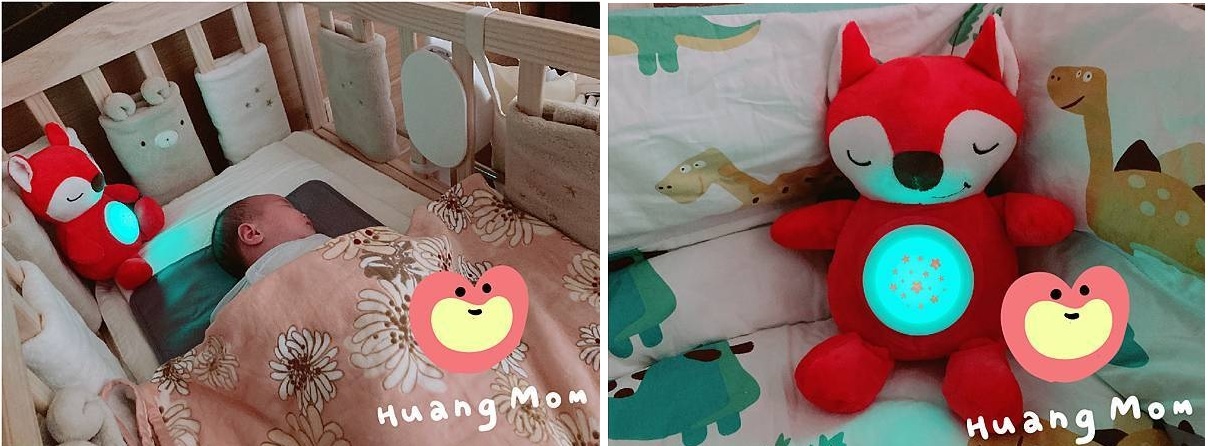
Melatonin at night begins to rise slowly only after a newborn is about six weeks old. Before that, newborns can't tell day from night, crying all day or sleeping all day, as the brain is only starting to prepare melatonin, known as the "sleep hormone," which affects a newborn's routine. From week6to about3months old, nighttime melatonin slowly increases and the day-night cycle gradually stabilizes. Remember to dim the lights one to two hours before bed, which supports melatonin production and lets baby reach peak secretion at the right time at night to aid sleep. Experts also suggest that to stimulate growth hormone or melatonin the room should be truly dark, and that baby's sleep being broken up during the day is fine as long as it is regular; what matters is that total sleep is about12hours or more. Baby sleep aids on the market include, most commonly, musical plush toys, which can be placed near baby and play nature sounds or soothing music baby likes, often with matching lights. Some brands even emphasize color-temperature features, with light that helps baby fall asleep faster.
Light and Sleep
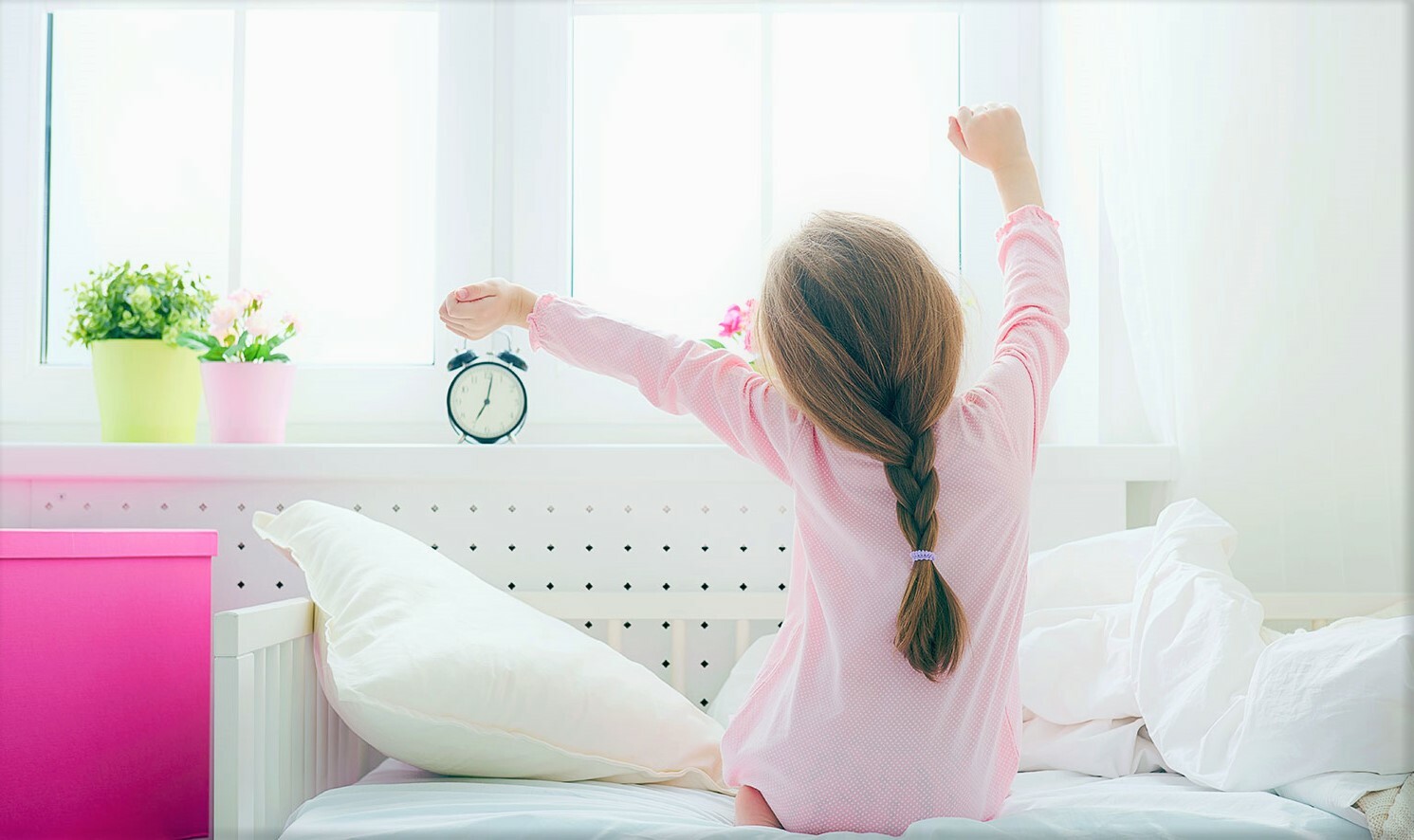
Ambient light is strongly linked to sleep quality. Sunlight after waking up triggers the body clock's self-adjustment, so body temperature regulation, appetite, hormone secretion, and other body mechanisms start working as normal.
With technological progress, nights are no longer dark. This brings convenience, but too much lighting disrupts the natural biological balance. Research shows light suppresses the brain's secretion of melatonin. Melatonin is a hormone produced by the pineal gland that regulates the sleep-wake cycle. Whether the body has enough melatonin affects sleep: it begins to appear before sleep, peaks in the middle of the night, and falls on waking in the morning. When melatonin is suppressed and insufficient, people feel less sleepy at night and toss and turn, finding it hard to fall asleep. The curve of melatonin concentration in the body reflects a person's sleep-wake cycle.
Researchers suggest avoiding or reducing habits such as looking at a phone before bed or sleeping with the lights on. Sleeping with lights on has many harms, especially the brighter the light source. Studies also show that strong light during sleep not only interferes with melatonin secretion and affects metabolism, but also blocks the hormones that control hunger, leading to overeating the next day, disrupting the immune system, and even raising the risk of weight gain and worsening nearsightedness.
Using a dimmer or low color-temperature light source before bed not only increases sleepiness but also benefits later sleep.
What Is Color Temperature??
What exactly is "color temperature"? Simply put, color temperature is the "color of light."
Color temperature refers to the temperature of the color of black-body radiation. More specifically, it expresses the spectral makeup of different light sources as a color temperature value.
Definition of Color Temperature
Expressed in absolute temperatureK(K), whereKK is the Celsius value+273plus 273; for example, Celsius temperature0degrees is273K, Celsius temperature100degrees is373K. When a standard black body is heated to a certain temperature, it begins to melt and glows in different colors up to its maximum temperature, and these are recorded in absolute temperatureKdata, which developed into the color temperature chart. So we can also say that color temperature is "the absolute temperature at which a heated black body glows."
Types of Color Temperature
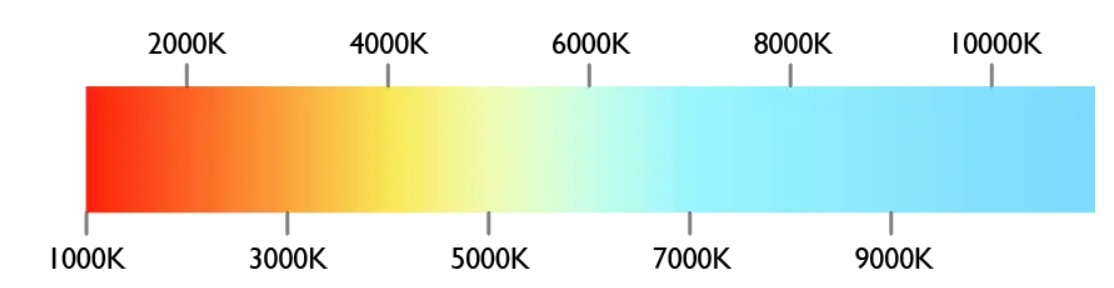
- Low color temperature: warm light has a color temperature of3300Kor below. Warm light is similar to incandescent bulbs, with a reddish tone that feels warm; it creates a calm atmosphere and gives a healthy, comfortable, sleepy feeling. Suitable for homes and residences, such as the warm light that Starbucks stores give customers.
- Medium color temperature: a color temperature between3300Kand5300Kis the middle range. Because the light is soft, it has no especially obvious visual or psychological effect on people; it feels refreshing, pleasant, comfortable, and peaceful. Soft light brings a pleasant, reassuring feeling and blends a relaxed, comfortable style with lighting, such as the clothing brand--Uniqlo's "soft, comfortable, clean" in-store experience.
- High color temperature: cool light has a color temperature above6000K, with a bluish tone that feels cool and crisp. Under a high color temperature source, objects look cooler. The incandescent lights of convenience stores are always dazzlingly bright and cool, which people think of at night.
Mang Mang Featured Articles: