
Infant and Toddler Care Guide - Sleep (Part 2)
2020.11.02
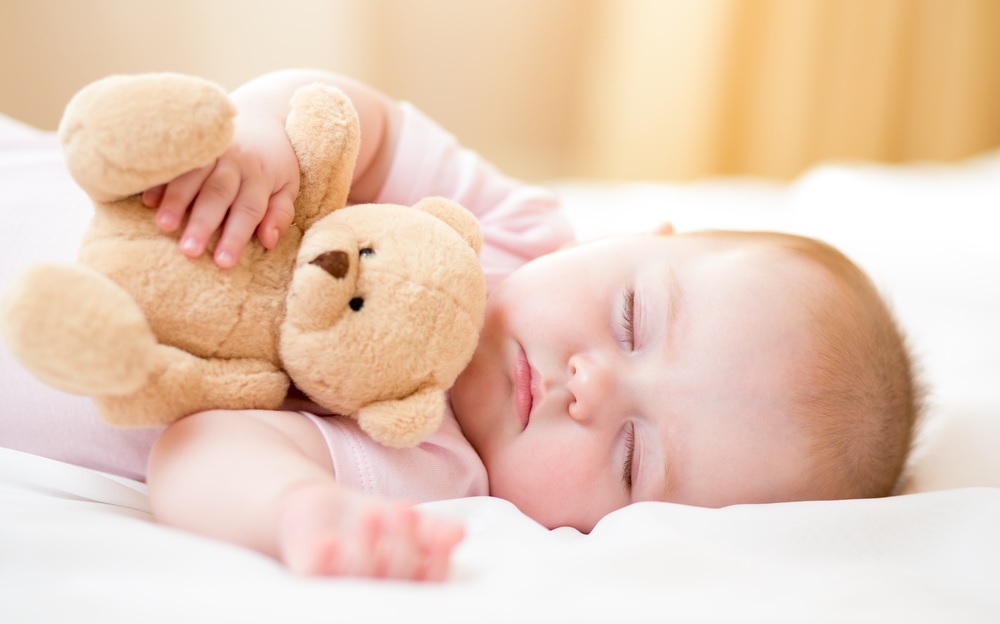
Baby's Best Sleeping Position
The first step in building a healthy sleep pattern is letting your baby know you are always nearby, giving a full sense of security. As for sleeping position, many studies show back sleeping is the safest. Compared with babies who sleep on their stomachs, back sleepers have fewer fevers, stuffy noses, and ear infections, and are less likely to spit up or choke on milk during the night. Most importantly, it can greatly reduce the chance of sudden infant death syndrome (SIDS). If baby cries nonstop, you can roll up a blanket or towel to support baby on their side. Because lying on the back for long periods may flatten the back of baby's head or cause bald patches, change baby's sleeping direction often and turn baby's head. Giving baby plenty of tummy time while awake reduces the chance of a flat head, helps develop neck and back muscles, improves heart and lung function, keeps the spine in good posture, and builds motor skills. Always remember:Back to sleep, tummy to play.
Sleep as Baby Grows
Five MonthsBabies of this age have about 3-4 daytime naps of up to an hour. The number and length of naps matter less; what matters is that the total sleep per day adds up to about 14.5 hours.
Six MonthsIf baby still can't sleep through the night, review baby's sleep habits, including whether baby naps too much during the day. Another important first step is to stop night feedings.
Rolling over at night: If your baby likes to sleep on the tummy, once baby learns to roll over you can no longer keep baby on their back all the time. There's no need to forbid or fear stomach sleeping at this point, for two reasons:
(1) A baby who can roll over has passed the highest-risk period for sudden infant death syndrome.
(2) Once a baby can roll over, baby has better self-protection skills when sleeping on the stomach, lowering the risk of SIDS.
Nine MonthsChanges in sleep habits: A few babies start dropping a morning nap, and some drop the afternoon one. As long as it doesn't affect nighttime sleep, this is perfectly normal. How much baby sleeps matters less than whether baby actually needs it. If baby is not getting enough sleep, a routine of a bath, dim lights, a story, and saying goodnight can help baby sleep well at night.
Twelve to Fourteen MonthsSeparation anxiety peaks at this age and can happen not only during the day but at night too. In fact, because baby often faces being completely alone at night, the feelings can be much stronger than in the daytime, causing anxiety, restlessness, and trouble sleeping. These methods can help baby cope:
(1) A calm, consistent bedtime ritual: comfort and feed baby one or two hours before bed, giving as much attention as possible.
(2) Habit makes it natural: a bedtime ritual not only helps baby fall asleep, it reassures baby every day that the same things will happen at the same time.
(3) Use a transitional object as a bridge to security: a stuffed toy or small blanket baby can hold onto eases the stress of being apart from you.
(4) Parents shouldn't feel guilty: staying with baby all night doesn't help overcome separation anxiety.
Mang Mang Featured Articles:
How to Choose a Good Bedside Crib? 2025 Crib Buying Guide!
The Best Baby Swaddle: A Buying Guide Parents Need to Know
Choosing the Right Play Mat: A Buying Guide