
Why Use a Baby Swaddle? How Are Swaddles Related to Sleep Position? Common Sleep Positions and Swaddles
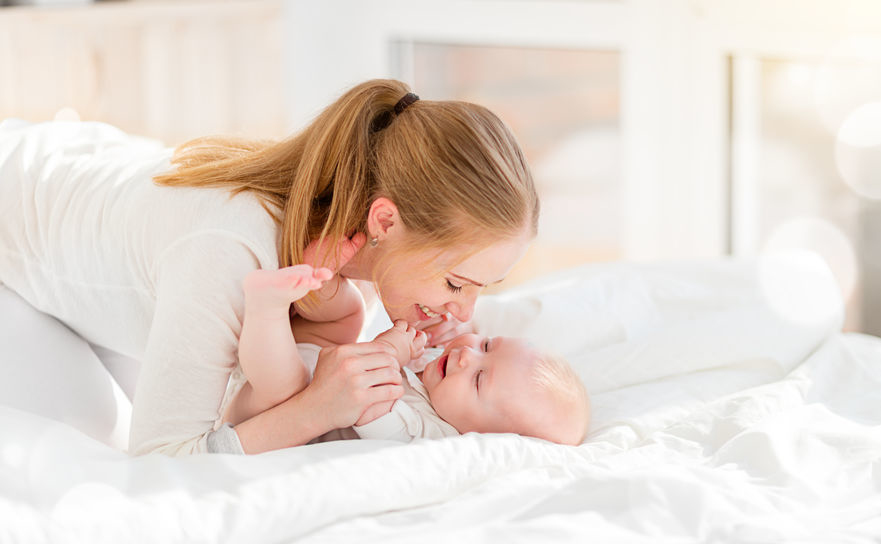
A baby swaddle can help improve sleep quality in the following ways:
Promotes a sense of security: A swaddle mimics the womb environment, giving your baby a sense of security and reducing the startle reflex.
Fewer startled wakings: Swaddling keeps your baby from being woken by outside stimulation, especially during sleep.
Self-protection mechanism: The startle reflex is part of the human self-protection mechanism, which a baby produces automatically when faced with unfamiliar stimulation. A swaddle can help ease this reflex.
Snugly wrapped hands and feet: Increases your baby's body awareness, which helps sleep
Regulates body temperature: A baby who feels comfortable falls asleep more easily
A moderate wrapped feeling:Provides a moderate wrapped feeling,which can ease colic and let your baby sleep more sweetly
Without a baby swaddle, letting a baby sleep on their tummy may carry some risks, such as sudden infant death syndrome (SIDS). SIDS most often occurs before six months of age, especially at two to four months. Many environmental factors raise the risk of SIDS: tummy sleeping, sleeping on a pillow or in a bed with toys, or sleeping on an overly soft bed. All of these can be avoided. Among them, tummy sleeping is the most likely to lead to SIDS. In the US, a campaign promoting back sleeping for babies began in 1994 and reduced deaths from SIDS by nearly 40%.
Experts also advise that the safest way to effectively lower SIDS risk is to put baby to sleep on the back, remove loose items from the crib, and preferably dress baby in a single sleep outfit to reduce the risk of blankets covering the nose and mouth. If baby likes sleeping on the stomach, always turn baby back onto the back; the mattress must be firm with no head pillow, to avoid suffocation risk. Stay away from smoke, and keep the room at a comfortable temperature.
So using a baby swaddle effectively lets little ones sleep more soundly. What are the common newborn sleep positions? Below are three common newborn sleep positions:
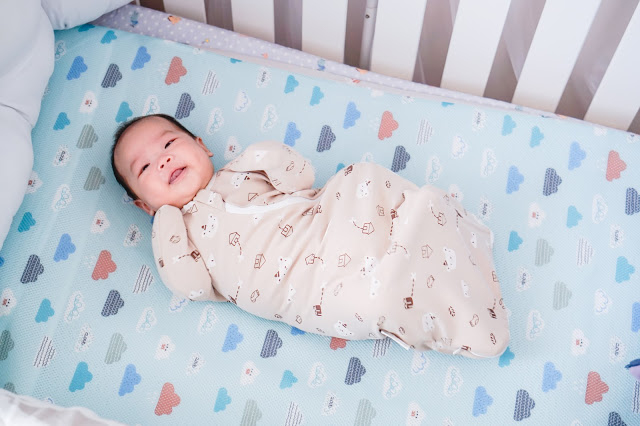
Common Baby Sleep Positions
1. Back sleeping:
For babies in the first 3 months, back sleeping is recommended. It lets baby relax their muscles and move limbs freely, and baby's face isn't covered by bedding, reducing airway blockage.
2. Side sleeping:
Side sleeping is an acceptable position for babies in the first 3 months. It takes head shape into account and makes it easier to watch baby's facial expressions.
3. Stomach sleeping:
As baby's head and neck support gradually develop, stomach sleeping may be allowed depending on the situation. Lying face-down with the back of the head up does not deform the head and can help shape a nice head, but the risk is higher, and a caregiver must be present during stomach sleeping.
Baby's Best Sleeping Position
For babies aged 0-1, back sleeping is without doubt the best position. Its advantage is that it's the safest; the downside is that some parents feel baby wakes more easily, sleeps less soundly, or has trouble falling asleep. A well-designed swaddle helps smooth over the startle-waking and difficulty falling asleep.
What Are the Risks of Tummy Sleeping for Babies?
The butterfly swaddle's design reduces the chance of a baby rolling onto their tummy and greatly lowers the chance of newborn suffocation,It takes the baby's hand movement space into account and keeps your baby sleeping on their back, with both hands placed on either side of the head.
Babies often want to get their arms out to move, and can easily wriggle out of a swaddle. So the new type of swaddle uses wrap sleeves to cover the baby's hands while still letting them move freely. This type can be used as a swaddle for newborns, and once the baby is four months or older, the two wrap sleeves can be undone so the baby can develop fine hand movements. Many better new-style swaddles can also become a kick-proof blanket, and when the baby is walking, can convert into a sleep vest with their special design. Providing different ways to wear it for different stages, it extends how long the swaddle can be used and saves you money.
Medical research: Letting babies raise their arms freely, with enough room to move below the waist, allows bones to develop and grow without restriction.