
Must-Know Baby Development Stages: Common Behaviors and Guidance for 0-12 Months!
2020.09.03
Common Behaviors in Baby Development, 0-12 Months
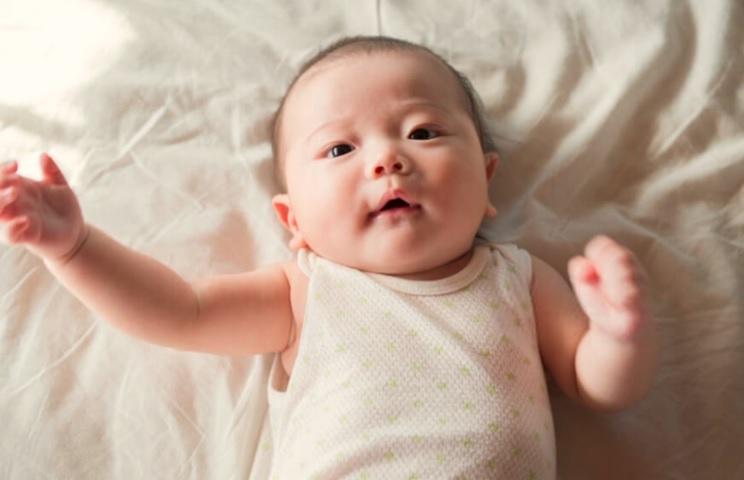
The first 12 months are when babies develop fastest. Every day brings new changes, and baby responds to parents with different movements; smiling and fussing are both responses. Understanding each stage and giving the right stimulation helps strengthen the parent-child bond.
First Few Days After Birth
- Lying on the back, may occasionally lift the head briefly, but must be supervised
- Waves arms and legs
- Eyes focus at a distance of 20-40 cm, especially on faces
Month 1
- Briefly lifts head when lying on stomach on a flat surface
- Gazes steadily at a face
- Reacts to bells, such as startling or crying
- On stomach, lifts head to a 45-degree angle; makes sounds other than crying in response
- On stomach, lifts head to a 90-degree angle; holds head up when picked up; can bring hands together; smiles spontaneously.
Month 2
- Smiles and reacts to the sound of a bell.
- On stomach, pushes chest up with both arms; rolls to one side; grasps a rattle held at the fingertips and reaches out to touch things.
- Squeals with delight; eyes follow an object about 15 cm in front up to a 180-degree movement.
Month 3
- On stomach, lifts head to a 45-degree angle.
- Can hold head up when sitting
- When held upright, legs can bear some weight; when pulled to sit, head and body stay in a straight line; turns head toward mom's voice.
Months 5-6
- Keeps head steady when upright.
- May be able to sit without support.
- Starts trying to crawl, attempting to creep forward by bending and stretching hands and legs while on the stomach, moving the body slowly ahead
- Pulls to stand from a sitting position; protests when a toy is taken away; calls "mama" and "dada" to no one in particular.
Months 11-12
- Moves from lying on stomach to sitting up.
- Picks up small objects with the thumb and other fingers. Remember to put dangerous items away!
- Understands the meaning of "no," but doesn't always obey
- Claps or waves goodbye; walks while holding furniture.
- Stands alone for a short time and says words other than mama and dada.
- Expresses wants in ways other than crying; plays with a ball, babbles, and walks well.
Mang Mang Featured Articles:
How to Choose a Good Bedside Crib? 2025 Crib Buying Guide!The Best Baby Swaddle: A Buying Guide Parents Need to Know
Choosing the Right Play Mat: A Buying Guide