
Infant and Toddler Care Guide - 8 Common Reasons Babies Cry
2020.12.21
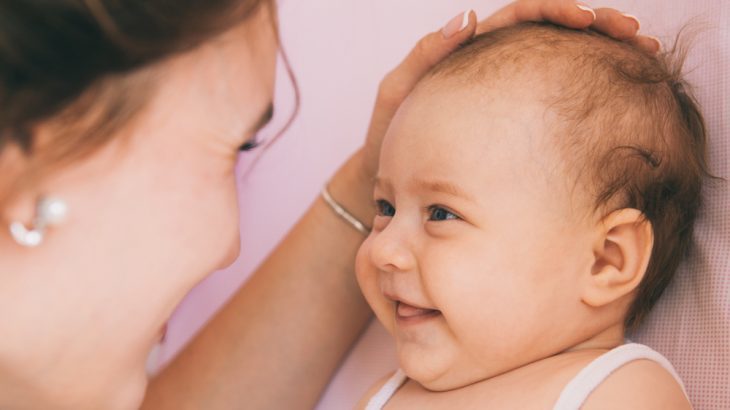
Crying is how little ones express feelings and needs, and life begins with a cry. The more time you spend with your baby, the better you will understand what each cry means.
- From about two or three weeks old, a baby may have unexplained bouts of intense crying during the day, lasting anywhere from 15 minutes to an hour and most often in the evening. This may be colic. A baby with colic may straighten their knees, clench their fists, be very active, sometimes squeeze their eyes shut or open them wide, furrow their brow, briefly hold their breath, have more bowel movements, and pass gas often. It tends to be worst around six weeks and usually fades by around twelve weeks.
- Hungry, needs feeding: When a baby cries, a parent's first thought is usually hunger. Try lightly touching your baby's cheek with a finger to see if they turn and root for milk. If they quiet down when offered a pacifier but seem impatient, your little one needs a feed!
- Wants to sleep: Your baby may start yawning and rubbing their eyes. The best thing to do is quiet the surroundings, carry them to where they sleep, and gently pat them so they can settle into sleep.
- Needs to be held: Some babies cry hard until they are picked up, then stop right away, true little "clingers." Babies under 3 months love hearing their parents' voices and familiar heartbeat and smelling their parents' scent, and these things make them feel completely secure, so there is no need to worry about spoiling them.
- Wet or dirty diaper: Every baby has a different tolerance for a wet diaper. Some cry right away to let you know they need a change, while others barely notice the discomfort. This need is easy to spot: just check the diaper and you will know!
- Too cold or too hot: Newborns are not yet good at adjusting to temperature changes, so being too cold or too hot can make them uncomfortable. Many grandparents worry about babies catching cold and dress them in too many layers, which causes overheating and even heat rash. Check whether your baby's back is sweaty to tell if they are too hot, and take off some clothing as needed to keep them comfortable. In cold weather, you may find the baby's hands and feet are cold, and they may shiver or sneeze; add clothing or a hat as needed. A baby's skin circulation is not yet mature, so the skin can easily turn purplish.
- Startled and wants quiet: Unusual lights or sounds can make a baby feel uneasy and cry. First calm the environment as much as you can: dim the lights, lower the noise, lay the baby down, and see whether that soothes them.
- A sudden, unusually intense cry may be caused by illness or teething. First check whether your baby has a fever, and take them to see a doctor if needed.
If you cannot figure out the cause, remember one key point: if you cannot rule out a reason for the crying, see a doctor right away to find the cause, so that treatment is not delayed.
Mang Mang Featured Articles:
How to Choose a Good Bedside Crib? 2025 Crib Buying Guide!
The Best Baby Swaddle: A Buying Guide Parents Need to Know
Choosing the Right Play Mat: A Buying Guide