
Crawl, Baby, Crawl! Four Key Points for Learning to Crawl
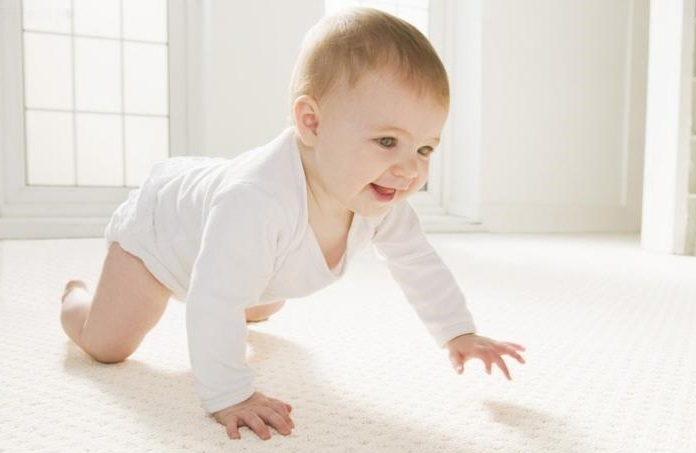
Crawling plays a very important role in a young child's growth. Besides opening up chances to discover the world, it lets them meet different people and things. Plenty of crawling practice satisfies a baby's curiosity and builds the ability and confidence to solve problems independently later on.
It starts with crawling reflexes: first lifting the head and rolling over, then rolling and creeping forward along the way, and finally real crawling. Through repeated practice, every attempt actively stimulates the brain. Learning to crawl is in fact a strengthening workout for the nervous system, and it is irreplaceable exercise for the development of a young child's brain, bones, muscles, and nerves.
Supports Brain Development
Babies who crawl more tend to have better language development, while babies who crawl less get less stimulation of the brainstem and the language centers, which can affect language and reading development.
Crawling directly benefits the brain as a whole, and the midbrain gains the most. Structurally, the midbrain is an important part of the brainstem (the center of life functions), and it holds the two main reflex centers for hearing and vision, acting as the "headquarters" for hearing and seeing: it sends outside information upward and passes the brain's commands downward. Crawling widens the range of what a baby sees and hears, which strengthens stimulation to the midbrain.
The cerebellum benefits too. The cerebellum governs balance and movement, and crawling is a full-body exercise that trains the cerebellum's balance and responses, helps nerve fibers intertwine into networks, and supports a more complete nervous system. Hand-eye coordination works the same way, stimulating balanced development of the left and right brain, understanding, and memory, so a baby's intelligence develops in all areas.
Builds Strength and Supports Development
The neck muscles work the most while a baby crawls, which greatly helps the visual focus develop. Once visual focus matures, it affects the child's attention, concentration, and reading ability later on, and it supports flexible eye movement in the future. Climbing up and down between sofas, tables, and chairs strengthens the legs and lays a good foundation for walking. Crawling is also a high-energy activity, which helps boost a child's appetite, use up energy, and deepen sleep.
Research from Abroad
Many overseas studies of children's behavior conclude that encouraging a child to crawl early and often supports brain development, awakens intellectual potential, and helps the brain coordinate the eyes, hands, and feet. In one study, researchers compared the lasting developmental levels of three groups of babies at eight and a half months: babies who could not crawl, babies who used only a baby walker, and babies who crawled on hands and knees. They found that the walker-only babies and the hands-and-knees crawlers scored higher than the babies who could not crawl, and the best performance came from babies with more than 9 weeks of crawling experience. The results show that movement experience such as crawling clearly promotes lasting development in babies.
Creating a Safe Space for Crawling
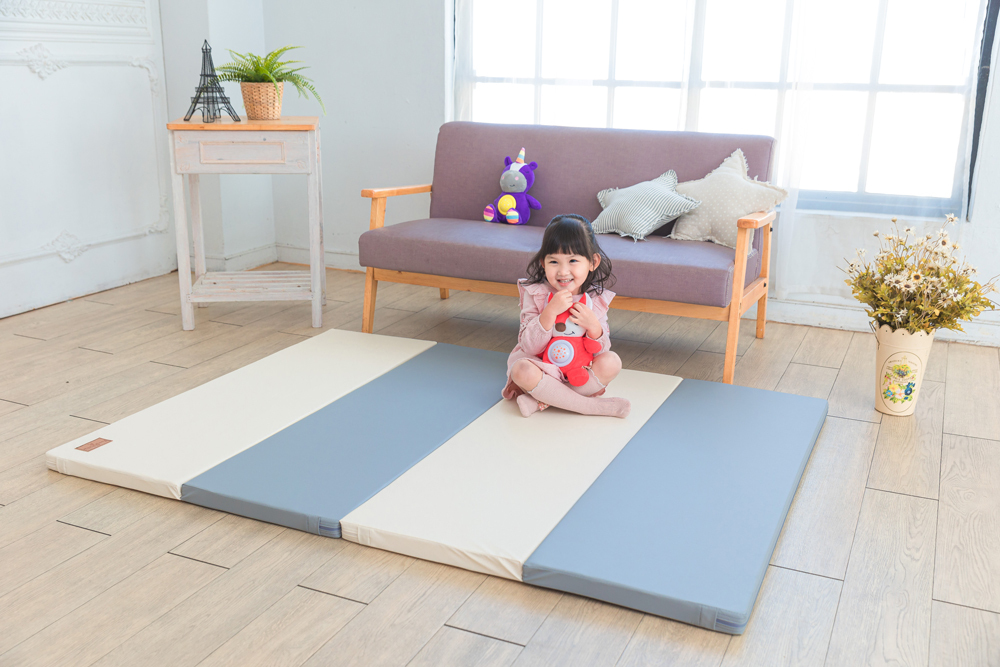
To prevent any accidents, an adult should always watch while the baby crawls. Once your baby starts crawling, get their crawling "gear" ready, but don't make knee pads too tight, as that can limit knee movement. Let your child move naturally from crawling to standing on their own. There are more dangerous spots and objects within a crawler's reach, so parents should pay close attention to places where accidents can happen. Create a safe crawling environment: put protective corner guards on sharp table and cabinet corners, and lay a soft play mat over tile floors. A thicker, softer mat is what gives real protection.
Related links: