
Indoor Kids' Slides: Great Play Equipment to Help Kids Grow
2023.02.24
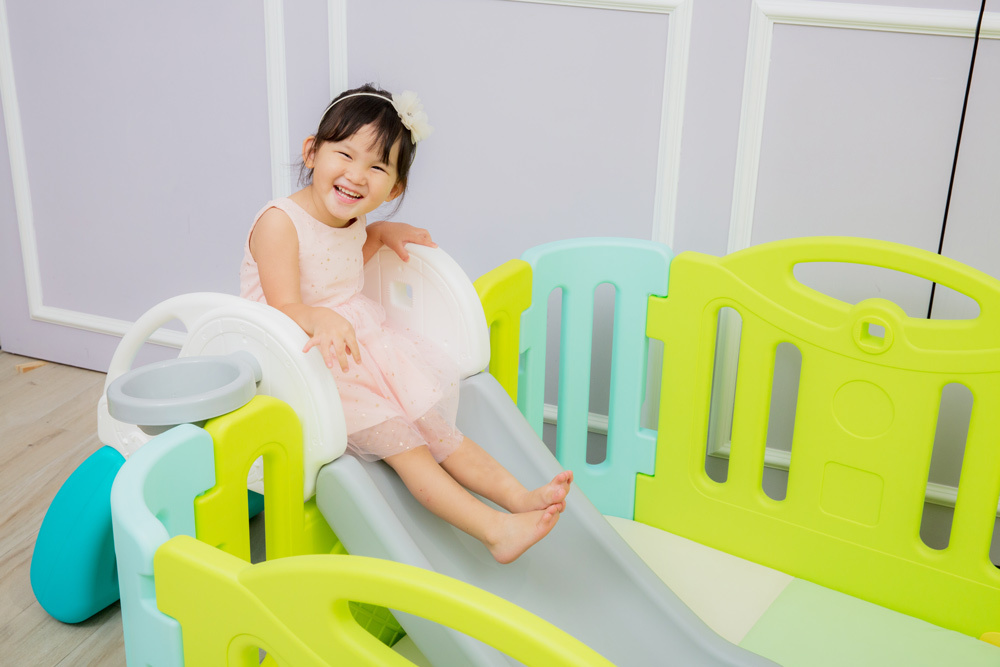
How Slides Help Child Development
Play and fun are very important as children grow. An indoor kids' slide offers a fun, challenging play experience that supports a child's physical and mental development.
- Helps children practice body balance and coordination. When a child climbs up the slide and slides down, they have to adjust their center of gravity and posture, which helps strengthen balance and coordination.
- Helps children build courage and confidence. Playing on a slide, children have to overcome fear and face challenges bravely, which helps strengthen their confidence and courage.
- Gives children a space to express their creativity and imagination. Kids can treat the slide as a castle, a boat, a train, and more, creating their own stories and scenes, which sparks creativity and imagination.
- Strengthens interaction and cooperation between children. When kids play on the slide together, they have to cooperate and help each other climb and slide down, which builds teamwork and cooperation.
An indoor kids' slide is a very valuable play and entertainment item that can bring many benefits to a child's physical and mental development. Of course, while enjoying the fun, we should also put children's safety first and provide a safe, comfortable, and cozy play environment. Let's light a flame of love and warmth for our children's growth and development, and create more opportunities and possibilities for their future.
Common Types of Indoor Kids' Slides
An indoor kids' slide is a great choice for play at home. Here are several common types:
- Small slides: Small slides are usually made for toddlers. They are compact, do not take up much space, and can fit in a bedroom, playroom, or living room so kids can play anytime.
- Foldable slides: Foldable slides can be folded flat quickly and easily for storage and transport. They usually suit families who move often or have limited space.
- Multifunctional slides: Multifunctional slides usually come with a climbing net, climbing ladder, slide, and play obstacles, so kids can build coordination and balance while playing and improve their athletic ability.
- Plastic slides: Plastic slides are usually lightweight, durable, and easy to clean. They are generally suited to toddlers, and their bright colors and varied designs catch kids' attention.
- Stainless steel slides: Stainless steel slides are more durable than plastic ones and can hold more weight. They have a clean, simple look and usually suit older children and adults.
- Wooden slides: Wooden slides look elegant and natural, bringing in natural elements so kids can connect with nature as they play and experience different sensations. Their design and materials let them blend in with other furniture in an indoor space.
These are several common types of indoor kids' slides. Which one to choose depends on your child's age, interests, the space available, and your budget.
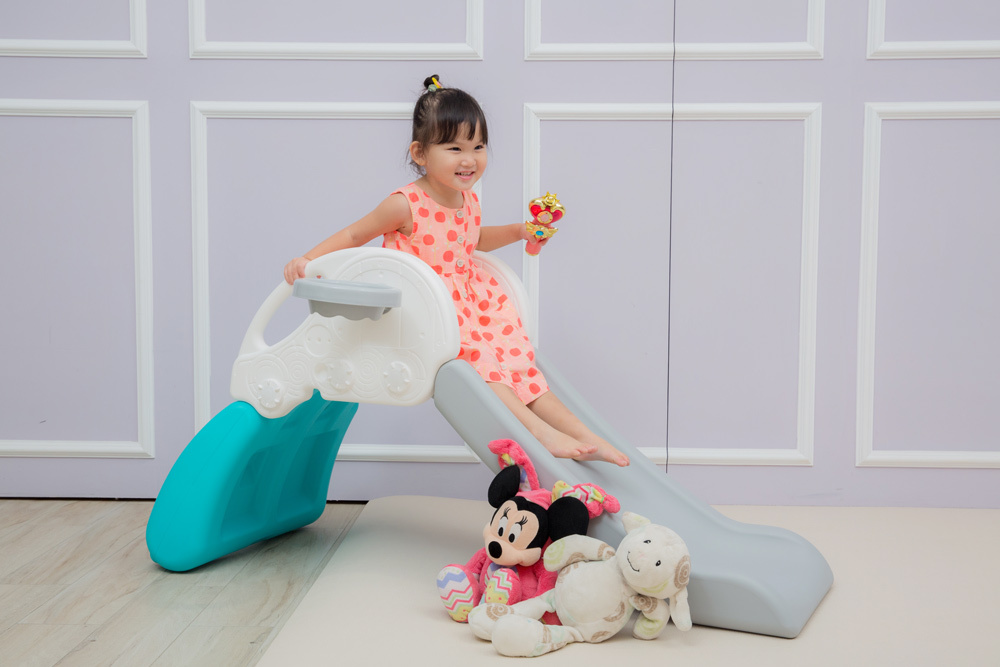
Slide Safety
Safety is the top priority when setting up and using a kids' slide. To keep children safe, we need to pay attention to a few things:
- When installing a slide, make sure it is stable to avoid accidents. Be sure to check the slide's structure and connecting parts before installation, and make sure they are firm, level, and free of cracks or other damage.
- The floor needs to be level so the slide does not tilt, shift, or wobble.
- The slide's material is also an important factor in safety. Choose high-quality, safety-tested materials such as stainless steel, plastic, or wood. These materials offer good corrosion resistance, wear resistance, and durability, and also avoid sharp edges and other hazardous parts.
While the slide is in use, parents need to pay special attention to their child's safety. Make sure kids follow the slide's instructions for use and avoid dangerous activities or climbing to inappropriate spots. Also check and clean the slide regularly, and promptly repair or replace any parts that are damaged or no longer working.
In short, slide safety is something we care about deeply, so please do not overlook your children's safety. When setting up and using a slide, be sure to follow the relevant safety rules and recommendations to give children a safe, reliable, and comfortable play environment.
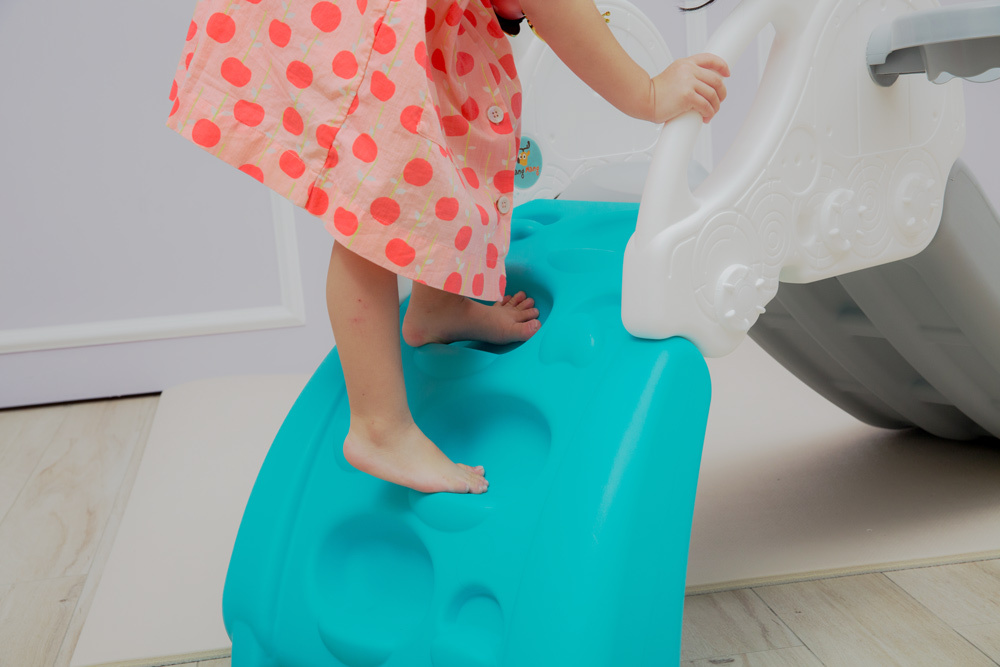
How to Choose an Indoor Kids' Slide?
When choosing an indoor kids' slide, there are several factors to consider, including your child's age, height, interests, and needs, as well as your home's space and budget.
- Your child's age and height: Children of different ages and heights need slides of different sizes and heights. Younger children can use a low slide to avoid accidental falls or other injuries. Older children can use a taller slide for more excitement and challenge.
- Your child's interests and needs: Some kids love building blocks, so a slide with a block-style structure may suit them; others love games, so a slide with play elements may be a better fit.
- Your home's space and budget: When choosing a slide, make sure there is enough room for it, and keep your budget in mind by choosing one that fits what your family can spend.
In short, choosing an indoor kids' slide means weighing several factors, including your child's age, height, interests, and needs, as well as your home's space and budget. Think these through carefully and choose the slide that best suits you and your child, creating a safe, comfortable, and enjoyable play environment for them.