How to Use a Baby Swaddle? Am I Wrapping Correctly? How to Clean a Baby Swaddle? The Right Way to Swaddle and Common Questions

Related articles:
How to Choose a Baby Swaddle? Which Swaddle Suits My Baby? Types, Styles, and Material Differences
How to Choose a Baby Swaddle? Why Use a Baby Swaddle? How Are Swaddles Related to Sleep Position?
There are many styles of baby swaddles on the market, so what is the right way to use one and wrap your baby?
Next we'll share how to wrap with the common styles of baby swaddles on the market, along with common questions about cleaning and care!
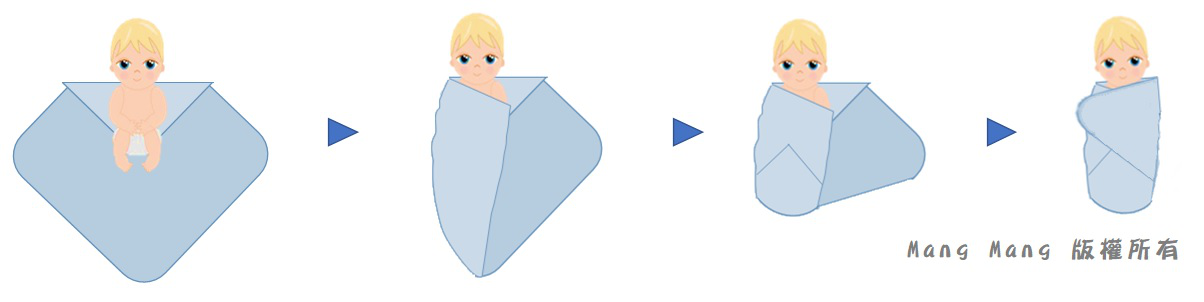
1. Traditional Swaddle or Large Bath Towel (choose material by season)
- Lay the swaddle flat and fold one corner down so it forms a diamond shape with five sides.
- After arranging baby's clothes, place baby in the middle of the swaddle with the top edge level beneath baby's shoulders. (Main purpose: so the swaddle doesn't loosen easily when baby moves hands or feet.)
- Gently lower baby's right hand without pulling hard, then pull the right side of the swaddle across to the left and temporarily hold it at baby's left waist, tucking it behind the back using baby's body weight.
- Fold the swaddle at the feet back up, leaving about a fist's width so baby's little feet have room to stretch.
- Like step 3, gently lower baby's left hand, then pull the left side of the swaddle across to the right. Finally press down on the swaddle, turn it around once, move baby's body, and tuck the swaddle's tail inward and behind the back to secure. (If you worry it will come loose, wrap with a small cloth.)
2. Back-Sleeping Swaddle
- Lay the swaddle flat and place baby in the middle.
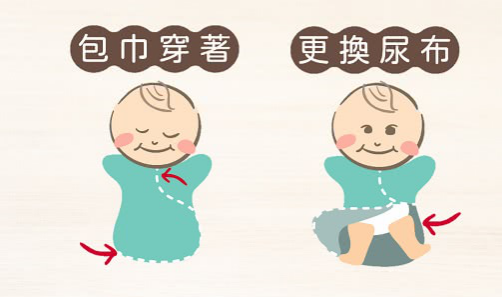
- Place baby's left and right hands into the top pockets so baby lies in a back-sleeping position.
- If there is hook-and-loop or a zipper, just fasten it.
Easy swaddles are wrapped in a similar way: just place baby safely in the center, wrap baby, and fasten with the hook-and-loop closure.
How Do I Wash and Care for a Baby Swaddle?
Before first use, wash the swaddle thoroughly in cold water with a baby-safe mild detergent to remove any textile processing agents that may remain from manufacturing, to avoid triggering allergic reactions in your baby.
- Cold water or 40-degree warm water is recommended.
- Low-temperature tumble dry or air-dry in a ventilated place
- Low-temperature ironing or low-temperature tumble drying.
- Wash light and dark colors separately, and separately from adult clothing
- Using a laundry mesh bag in the washing machine is best.
- Before drying, wring out after hand washing, or spin dry in the machine, then sun-dry to sanitize.
- Use baby-specific or gentle detergent, and add rinse cycles to avoid detergent residue.
- Do not use strongly corrosive or irritating bleach.
- To avoid stubborn dirt, treat stains promptly: soak in baking soda for about 30 minutes, then scrub the spot. After soaking, put it in the washing machine and the dirt comes out easily.
- Avoid damp environments, and clean often to prevent mold.
Baby Swaddle Buying Guide and Usage Notes
When choosing a swaddle, parents should consider material, season, size, ease of washing, baby's activity level, and diaper-change frequency. Swaddle sizes may differ slightly between brands. We suggest mom choose a swaddle with good stretch and a back-sleeping design where possible.
Parents can quickly pick a size by baby's age and weight or diaper size, and we suggest buying two or more for easy washing and rotation. For thickness, consider mainly the season and your home air conditioning.
A swaddle's construction should be kept simple. An overly complicated swaddle takes a long time to put on and take off and is a hassle at diaper changes, and sometimes after waking the baby it takes even longer to soothe them. Regular traditional swaddles may not stay in place as securely, usually because the blanket has poor stretch, so the baby's legs often kick it open while stretching, and it keeps disturbing the child at diaper changes. So we strongly recommend choosing a material with good elasticity, so it doesn't restrict the development of the legs.
Also, some swaddle designs are not carefully thought through. The biggest risk is arms wrapped across the chest: if baby rolls over while asleep, a newborn lying face-down can end up with nose and mouth pressed against the bedding and unable to move, creating a suffocation hazard. So a design that rests baby's hands naturally on both sides of the head builds a good back-sleeping habit and greatly lowers the risk of rolling, reducing the chance of turning onto the stomach. We strongly recommend a good swaddle with a back-sleeping design.
Finally, beyond the above, how long you use a swaddle ties directly to your budget. Some thoughtful brands design swaddles that convert into an anti-kick blanket, greatly extending use, which is like getting a swaddle plus an anti-kick blanket in one, saving parents some money and closet space!
So what problems could result from using a baby swaddle incorrectly? Here are four possible effects:
1. Pressure on the lungs:Research published in an American public health journal shows that when a swaddle is used incorrectly and restricts deep breathing, babies whose lungs are compressed by the swaddle are more prone to upper respiratory infections than other babies, about four times as much.
2. Hip dislocation:European research found that 80% of hip dislocations are strongly linked to swaddle use. Some moms straighten baby's legs and then wrap baby tightly. This improper method keeps the thigh muscles tense for long periods, and the bone may slip out of the hip socket, causing hip dislocation. Baby's legs should be unrestricted and naturally bent so the bones can develop freely.
3. Constipation:Squeezing the abdomen can slow stomach and intestinal movement, which may lower appetite and increase the chance of constipation.
4. Less skin-to-skin contact and heat release:Skin-to-skin contact lowers baby's stress, and experts encourage massaging baby and using touch to stimulate sensory development. Overusing a traditional swaddle to bind baby's limbs reduces awareness of body contact, which is not good for sensory development. Also, with hands and feet bound in a traditional swaddle, baby can't release heat by waving, and wrapping for too long may cause skin problems from stuffiness, so parents should watch the indoor air conditioning temperature.
As the above shows, using a baby swaddle incorrectly can put pressure on or harm a baby's health. So how do you use a swaddle correctly? Here are three things to pay special attention to when swaddling:
1. Don't wrap too tightly:Wrapping too tightly stops baby from moving hands and feet, blocking the stimulation that supports brain development, and also affects heat release, hinders normal breathing, and presses on the abdomen, lowering digestion and increasing spit-up. We suggest releasing baby at certain times; a swaddle doesn't need to be used all the time.
2. Adjust the wrap for the season:We suggest a cotton muslin swaddle. In hot summer, let baby's hands stay outside the swaddle, since overheating raises the risk of sudden death; in cold winter, put a small hat on baby to keep the head warm. If you use a thicker swaddle in winter, no extra blanket is needed.
3. Face up, with legs free to stretch:Lay baby face up and make sure the legs and hips have room to move freely. Don't fix the legs in place, which may lead to developmental hip dysplasia. Once baby learns to roll over, stop the traditional swaddling method.
Baby Swaddle Buying FAQ
- Q: Comparing how easy swaddles are to put on?
A: Back-sleeping swaddle (butterfly swaddle) = wrap-style swaddle > traditional muslin swaddle - Q: How easy are swaddles for new parents to learn?
A: Back-sleeping swaddle (butterfly swaddle) > wrap-style swaddle >> traditional muslin swaddle - Q: Comparing prices of different swaddles?
A: Back-sleeping swaddle (butterfly swaddle) > wrap-style swaddle > traditional muslin swaddle - Q: Comparing the value of different swaddles?
A: Some back-sleeping swaddles can convert into a kick-proof blanket, and traditional muslin swaddles can be used as a blanket, so both are considered good value! - Q: Why should a swaddle be made of stretchy material?
A: Stretchy material makes the swaddle more comfortable to wear. - Q: Is four-way stretch material necessary for a swaddle?
A: Beyond choosing stretchy material, ordinary stretchy swaddles usually only stretch side to side, which only improves wearing comfort. Four-way stretch material adds front-to-back stretch, so it is not easily kicked open when the baby stretches their legs. This greatly reduces hassle for caregivers and doesn't restrict the child's development.
▶ More information:Why Do You Need a Bedside Crib? Recommended Bedside Cribs
About BEDTIME Baby Swaddles
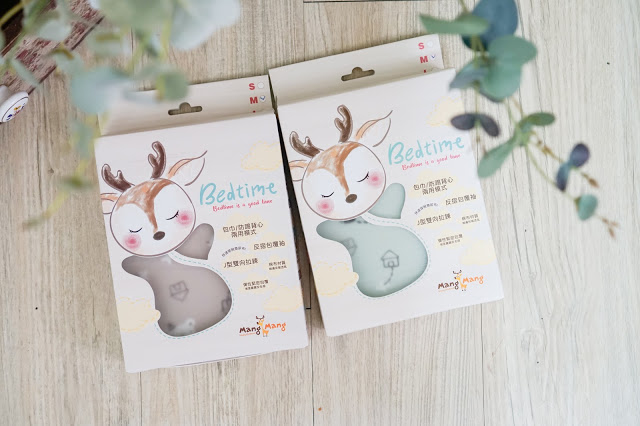
Bedtime Swaddle Design Philosophy
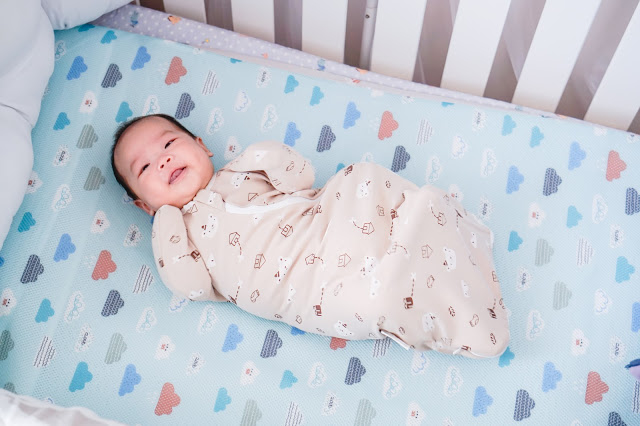
- The back-position arm design helps baby get used to sleeping on their back, with arms beside the head and the shoulder muscles lifted, which helps block rolling over onto the front. This greatly reduces the chance of rolling to the stomach, so caregivers can rest easier and sleep fully at night.
- The back-sleeping wrap sleeves have no zipper or buttons, avoiding the risk of a baby chewing and swallowing them, and sparing caregivers the problem of sleeves coming off and getting lost during washing. Another advantage of the back-sleeping wrap sleeves: early on, they let a newborn get used to having their own hands, and prevent fingernail scratches on the face during exploration; later on, just fold the wrap sleeves back and let the hands out, so your baby can develop fine hand movements freely.
- The material thickness is designed for use in an air-conditioned room at a comfortable 25 to 26 degrees C, with no need for an extra blanket on top, which avoids the possibility of a blanket covering your baby's nose and mouth. Below 24 degrees C, simply add suitable layers underneath for your baby.
- The stretchy swaddle material improves on a common drawback of traditional triangle-cloth swaddling: when a baby stretches their legs, they keep kicking the swaddle open, which can be dangerous and also wears caregivers out as they keep re-wrapping the baby over and over.
- The special asymmetrical J-shaped two-way zipper design differs from most designs that put the zipper in the middle. It reduces the chance of waking your baby during diaper changes. For example, with a middle zipper, you have to move the baby's bottom at least three times: unzip and take the baby out is the first, change the diaper is the second, and put the baby back is the third. With the special J-shaped zipper, you just open the zipper and change the diaper straight away, which is quick and lets your baby keep sleeping peacefully.
- Extends how long the swaddle can be used: with the special asymmetrical J-shaped two-way zipper design, when your little one grows a bit, you can unzip the bottom hem and let both feet out to use it as a kick-proof blanket, greatly extending the swaddle's usable life. The Bedtime swaddle in size S can even be used until a little past age one.
- When buying a Bedtime swaddle, just match your baby's current diaper size: if they wear size S diapers, buy size S, and so on!
Baby Swaddle Size Chart
Recommended age: newborn to 12 months
Material: 95% cotton, 5% elastic fiber
Origin: designed in Taiwan, made in China
Quantity: 1 piece
Purchase Notes
Baby swaddles are "personal hygiene items" sold sealed for hygiene reasons and cannot be resold once opened, so baby swaddles are "not eligible for the 7-day trial period or no-questions-asked returns and exchanges." Be sure to check the size chart before you buy.
About BEDTIME Cooling Summer Baby Swaddles
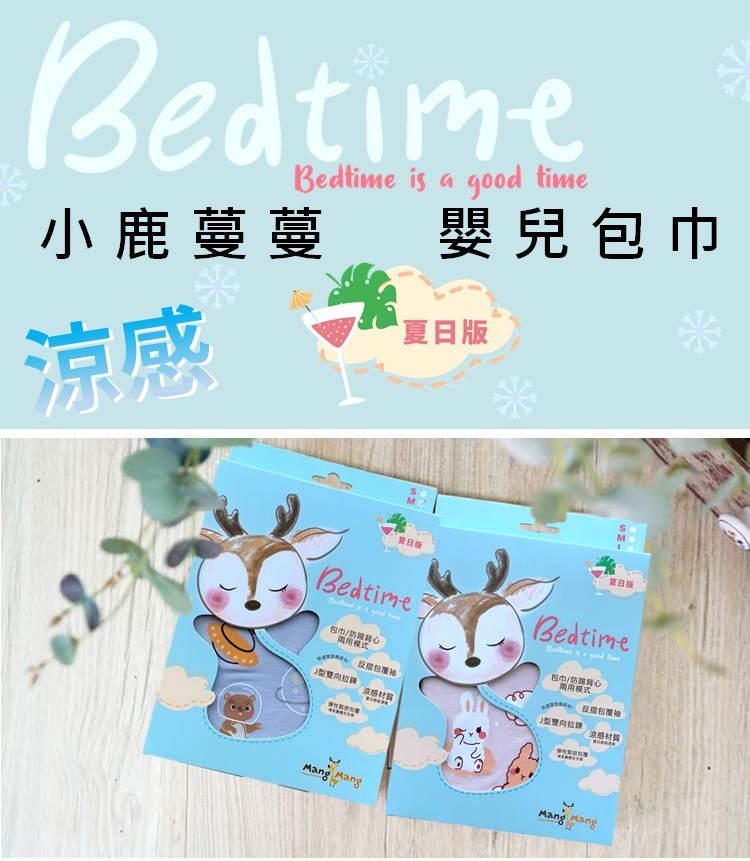
Cooling and stretchy material in low-saturation Morandi colors, with playful animal illustrations drawn by designers. Understated and calm, soothing and elegant, it helps baby settle down peacefully and drift slowly into sleep.
Product features:
★ Cooling stretch material, energy-saving and breathable in summer
★ Wrap sleeve design helps babies sleep on their backs
★ J-shaped two-way zipper for quick diaper changes
★ 2-in-1 swaddle / kick-proof sleep vest (e.g., size M kick-proof version fits up to 18 months)
Baby Swaddle Size Chart
Recommended age: newborn to 12 months (size L sleep sack up to 2 years)
Material: 50% cotton, 45% rayon, 5% elastic fiber
Origin: designed in Taiwan, made in China
Quantity: 1 piece
Purchase Notes
Baby swaddles are "personal hygiene items" sold sealed for hygiene reasons and cannot be resold once opened, so baby swaddles are "not eligible for the 7-day trial period or no-questions-asked returns and exchanges." Be sure to check the size chart before you buy.
▶ Related Products:[Mang Mang] Face 2 Face Bedside Crib
Mang Mang Baby Swaddle Quality and Safety Certification
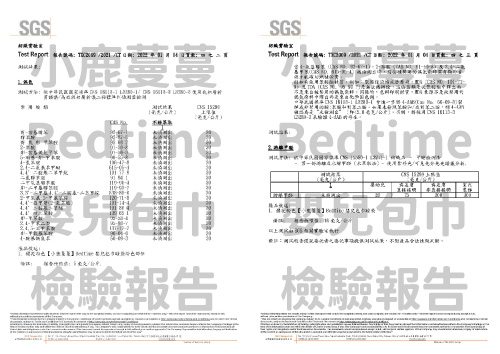
As the table above shows, swaddle prices vary quite a bit with material, but besides price and material, whether the swaddle has passed safety certifications is also a key point! Taiwan has clear requirements for infant textiles and the CNS 15290 standard, covering free formaldehyde, azo dyes, and lead content, all relating to whether clothing in contact with baby is safe!
Mang Mang swaddles have not only passed the CNS 15290 standard but also have an exclusive new swaddle patent, making them more convenient and reassuring for both baby and parents!